The threat to a recognizable client is rarely a burglar. It is someone who already has the address — a fan, a former employee, a process server, a photographer with a long lens and a public street to stand on. The perimeter has to make an approach obvious long before it makes contact possible.
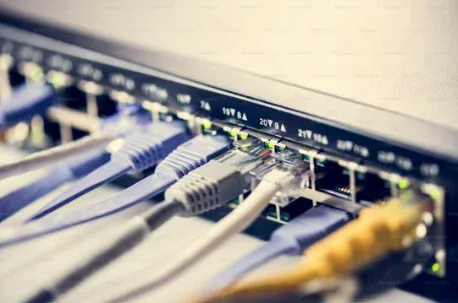
So the work runs inward: sightline control at the property line, one credentialed entry, faces at the gate and plates at the curb, and a network that stays up when the power does not. Nothing on the property announces what it is.
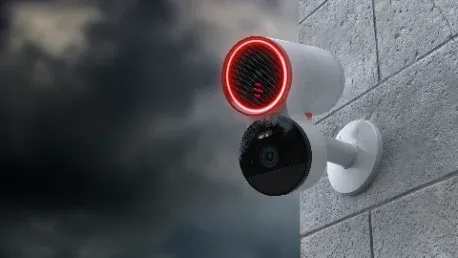
The same vehicle at the same hour. Plate capture and event history turn a feeling into a record you can hand to counsel.
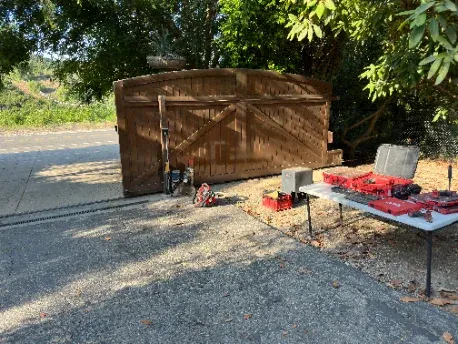
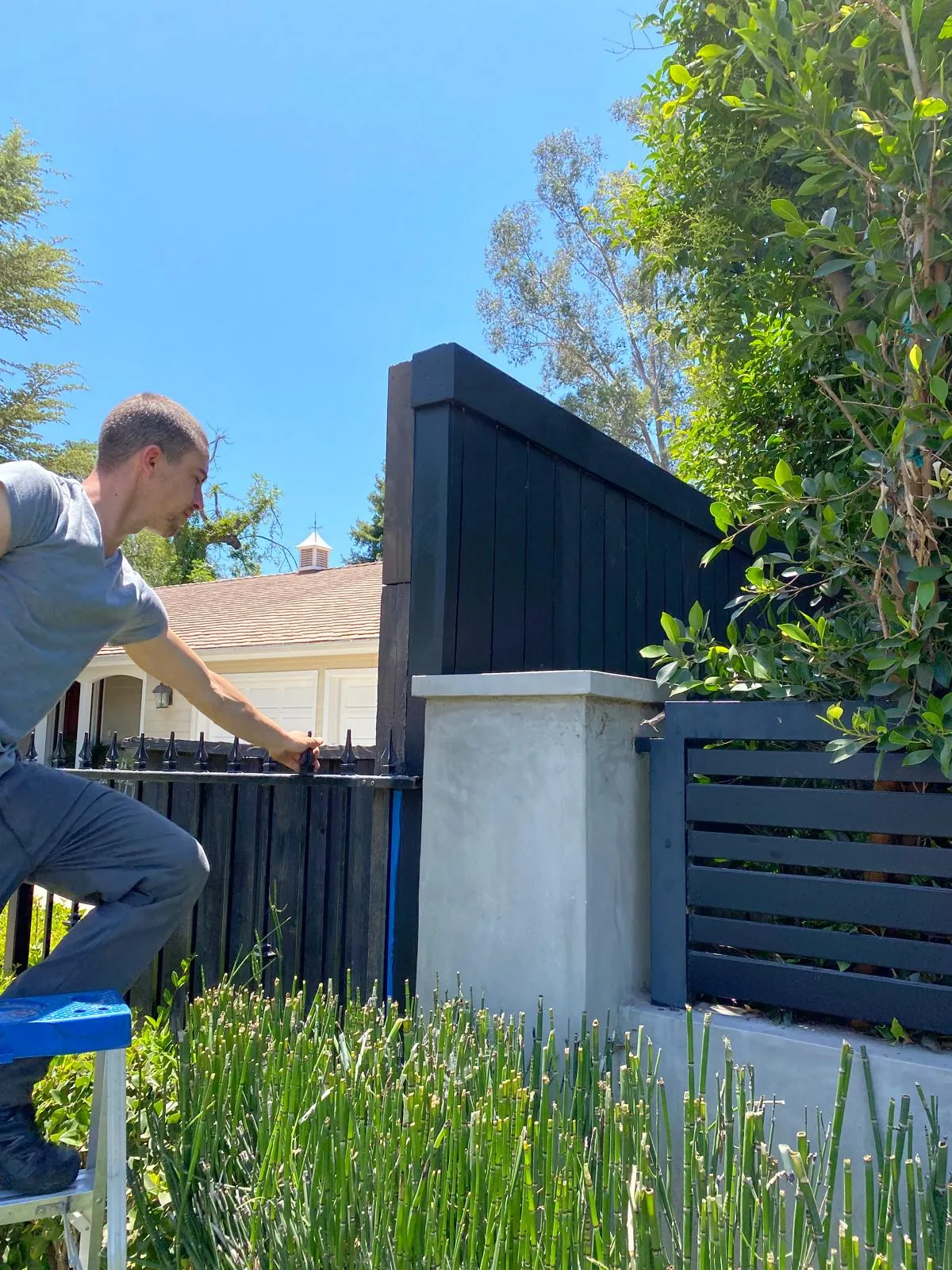
What is visible from the street decides what a lens can take. Screening and grade come before hardware.
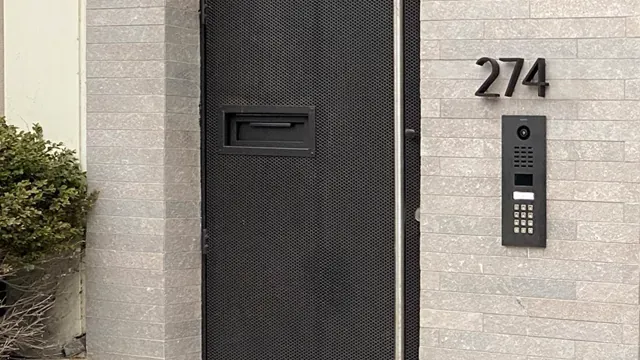
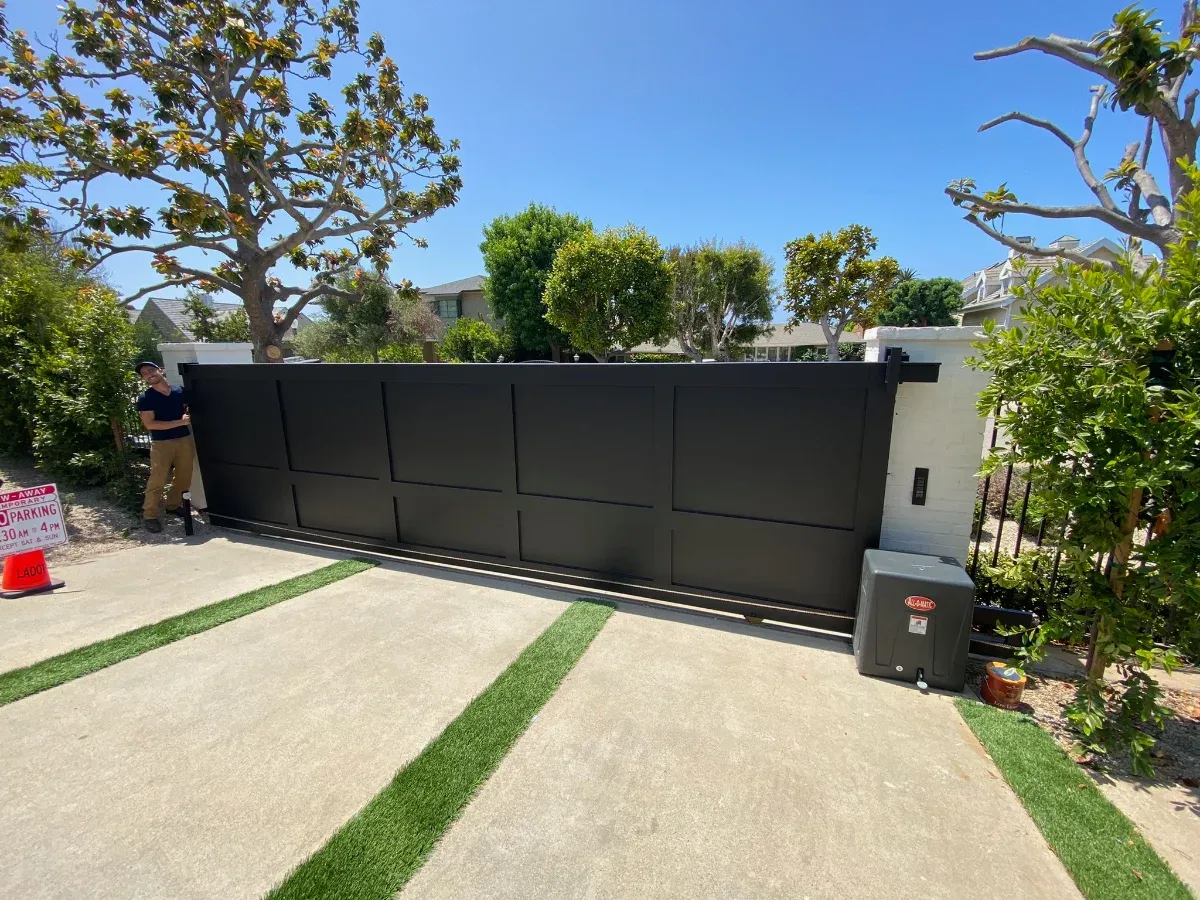
Staff, contractors and people who no longer work there hold codes. Per-person credentials and instant revocation are the whole answer.
Crews are vetted and under agreement before drawings are shared. No site photos, no address, no listing in our portfolio.
Plans are filed by us where filing is required, with the minimum exposure the jurisdiction allows.
Emergency entry is specified up front — a gate that delays a responder is a liability, not security.
Scoped to the property, not a per-unit rate card. These are the factors that move the number, in the order they usually matter.
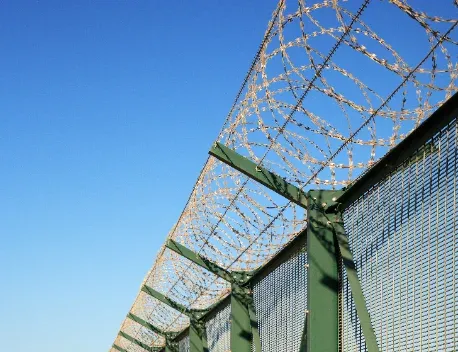
Neither do we. Deterrence comes from sightlines, lighting and a single controlled approach far more than from height and spikes. The visible parts get designed with your architect.
A named lead and the installing crew, all vetted, all under agreement. Subcontracted trades are disclosed before they are on site.
Good. We build the perimeter they monitor. We will take the handoff spec from them and hand the finished system back with documentation.
Recurring photographers on the access road and no record of who had been by. We screened the two exposed approaches, moved entry to a single credentialed gate with plate capture at the turn-in, and added monitored voice-down on the blind corners.
Unmarked vehicles on request, a fixed crew rather than a rotating one, and no signage left on site.
A camera on your property can see a public street. What it cannot do is look into a neighbor's private space, so we set fields of view to keep you clear of that.
No. Nothing is photographed or named without written permission.
Name, phone and ZIP. We walk it before we price it.
We protect people, property, and peace.